Wednesday, November 20, 2013

November Fishing fallowing the HFE

For More Details, Visit Home at http://www.LeesFerryFlyFishing.com
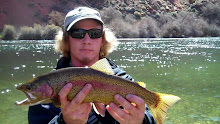
Fat 18" female

16" male turning red

19" female


Nice 16"

18" female

Hello everyone, 
The fishing at the ferry is good, weather is even better. 
There is plenty of feed for the fish following the HFE. I turned rocks everywhere I stopped Sunday and Monday, and found worms under every one. The moss on the shores that was still wet, had a few scuds, and the midges are hatching as they should be for the temperatures. 
We caught fish on patterns in all three categories. San Juan worm patterns in the rust, brown, and red in size 14. Scuds in grey, ginger, and pink in size 14 produced well. In the mornings before the water starts to rise, we caught most of our fish on black midge patterns, sizes 16-18.
The fish are in great health and as you can see from a couple pictures above they are starting to think about spawning, so egg patterns will get better from here on out. 
If anyone is looking for one last fishing trip before the the end of the year, I would recommend it.
If we can be of service please let us know.
"May all your lines be tight, and always remember to keep that tip up"
Mick Lovett

Thursday, November 7, 2013

What Should I Wear When I Go Fly Fishing?

As with most outdoor activities, being well prepared for a fly-fishing trip is key. There are certain circumstances to observe when getting ready to go out for the day, with articles of clothing to strap on for every fly-fishing need. While you may not always need everything mentioned, it's a nice overview of what's out there.

The Basics
Because fly-fishing requires you to be on the move, equipment is often out of reach. A quality fly-fishing vest or shirt can serve as a wearable tackle box, made of durable fabric, and with an abundance of pockets to store flies, hooks, and other supplies.  One important thing to keep in mind when choosing a vest or loading it up for the day is the way it distributes weight throughout your body. During a long day of fishing, a heavy vest puts more stress on your frame than you might think. Depending on the weather forecast, dress in layers so that you can add and remove clothing for your own comfort and safety.

Ready to Wade
Fly-fishing involves a great deal of time wading in water, so you’ll want to acquire a solid pair of wading boots. You’ll also want something to wear underneath them, as cold water temperatures can be uncomfortable, even through good boots. Just make sure that whatever you choose to wear is breathable. There are different types of wading apparel available, as each angler tends to settle on what they feel most comfortable (and dry) in.

Wet-Resistant
If possible, see that whatever you wear will dry relatively quickly if it happens to get wet. Even if you don’t think you’re in danger of falling in, splashing water and condensation can still be a nuisance over time. Besides, even the most experienced anglers take the occasional tumble. Some choose to wear a special belt over waders to keep them from becoming waterlogged in emergencies.

Blending In
Why go through the trouble of strategizing and casting perfectly if you’re scaring the fish away to begin with? Avoid bright, unnatural colors and go with neutral shades that blend in well with your surroundings. White, gray, brown, or even light blue are all fine choices when it comes to the color of your clothing.

Block the Sun
A pair of polarized sunglasses might be the most important item, aside from your rod, that you can bring fishing. Not only do sunglasses protect your eyes from the Sun’s rays, they also eliminate glare and allow you to more easily spot fish. To protect the rest of your body from the hot Sun, you’ll want to wear a brimmed hat and apply sunblock to exposed parts of your body. Even if the weather is a little chilly, the Sun can shine just the same.

For More Details, Visit Home at http://www.LeesFerryFlyFishing.com

Wednesday, October 30, 2013


88558E5F-79BD-4DC6-9F32-7E36B77280DC


http://www.LeesFerryFlyFishing.com


Hello everyone,
October fishing is good, flows from 6,500-9,500 cfs, low, wading water. Mainly nymph fishing, worms scuds, and especially midges. This is a great time to come to the ferry, if your looking to get in one last fishing trip before winter please consider lees ferry and Marble Canyon Outfitters.
If we can be of service please let us know.

Thank you,
Mick Lovett
MCO

Wednesday, October 23, 2013

Fly Fishing Etiquette

The list of things that can ruin a fly-fishing excursion is very short, but poor etiquette from a fellow angler is certainly on it. We understand that amateur anglers can make innocent mistakes, so our guides can help to make sure you follow the proper procedures on the Colorado River. In fact, fishing areas with an abundance of guides tend to run more smoothly and instill a more respectful atmosphere. There are a few things to think about before your trip.

First and foremost, anglers must respect the space of others, whether they happen to be fishing or not. Fishing spots are claimed on a first-come, first-served. If you come across a group of anglers in a desired area, you’ll need to either wait or move on. While it’s always a nice gesture to give up a productive fishing area after you’ve enjoyed it for some time, it’s never required.

If you find it necessary to approach or pass another group or individual, be sure to do it very carefully. Pay attention to the direction they’re casting in and leave plenty of space so as not to spoil the water they’re fishing in. Wade only when necessary, keeping in mind that fish can be rattled quite easily, even with shadows from above or far-away vibrations. Upstream travelers always have priority over downstream ones. However, an angler with a fish on his line is always considered to have the right of way.

Conversation on the river is a sensitive subject, and every angler is different. Don’t bother a stranger with small-talk unless it’s clearly wanted. At the same time, if you’re in doubt of a fellow anglers plans, you should always ask. Similarly, do everything you can to communicate your own plans with others, possibly even leaving notes where appropriate. Remember to offer advice to other anglers only if asked, and to always politely. Even if a someone is breaking etiquette, try to be nice about it.

As exciting as a fishing trip with your buddies might be, don’t act like you’re in the end-zone seats at a football game. If someone else can unwillingly hear you, you’re probably being too loud. Watch your choice of language in case of younger, impressionable anglers. Don’t litter and be careful with any source of fire. And if you see a sign that says “No Trespassing”, obey it. Common sense goes a long way, and good behavior shouldn’t keep you from having a good time

While respect to other anglers is important, respecting the fish you’re targeting is another key to proper etiquette. Pinch down barbs on hooks if they have them, and make sure your net and hands are good and wet before they encounter a fish. Once you’ve got the fish properly handled, be careful not to squeeze or poke it in sensitive areas. When throwing fish back into the river, photograph it as you wish and get it back in the water as quickly as you can. If a hook is stuck, cut the line and throw the fish back before it suffers too much.

Proper standards of etiquette allows all anglers to be on common ground, and to have a more enjoyable overall trip. Fishing Lee’s Ferry with Marble Canyon Outfitters will help you to stay within the unwritten rules and have a great trip at the same time.

For More Details, Visit Home at http://www.LeesFerryFlyFishing.com

Wednesday, October 16, 2013

Five Benefits of Using Fly-Fishing Guides


1. Know Where to Find Fish
For guides, fishing is a full time job that provides intimate knowledge of where to find the most amount of fish under different weather conditions and at different times of day. Even experienced anglers can benefit from a guides familiarity with a particular fishing location. You’ll catch more fish, which is the point of it all anyway, right?

2. Ensure Proper Technique
While the cast in fly-fishing is a true art, it requires a great amount of technique to be precise and effective. Guides can provide indispensable training on the fly to help you have a more productive day, and become a better angler in the process. Working with an expert provides comfort that you’re doing things the right way.

3. Improve Fly Selection
The presentation of the fly to a fish is meant to simulate the delicate approach of insects to the water. This makes the selection of a fly crucial, and dependent on a variety of shifting factors. Fly-fishing guides know which flies to use where, when, and for which fish.

4. Always Have The Best Equipment
Using fly fishing guides keeps you from having to stay current with the best fishing equipment and the expertise to operate it. Most important of all, the boat, which most anglers would have to rent anyway, is included. While there is a list of equipment that each angler must provide, you can focus more on items that serve your personal fishing needs.

5. Enjoy Your Trip!
All of these factors combined lead to less worry and planning time for your fly-fishing expedition. You’ll feel more free to enjoy the trip, and in the case of Lee’s Ferry, the beautiful Colorado river and its surrounding landscape.

For the best fly-fishing guides at Lee’s Ferry, contact Marble Canyon Outfitters to plan your trip today.
For More Details, Visit Home at http://www.LeesFerryFlyFishing.com

Sunday, October 13, 2013

Hello to all my fellow fishers,
This blog is to inform all of you that Lees Ferry is once again open to the public, the state of Utah has made a deal with the department of interior to keep 5 national parks and recreation areas open for up to 10 days, hopefully the federal government can solve the issue and after the 10 days we will remain open, but just incase that does not happen, those of you that would like to get in one last trip before the winter months, now is the time.
The fishing is fantastic at the ferry, with are lowest flows in months the fish are condensed and feeding like crazy. 6,000-10,000 cfs is perfect for food and perfect for wading. The river has been empty for two weeks which means no fishing pressure and this also has played an important role in the fantastic fishing.
If we can be of service please let us know.
Tight lines and always remember to keep your tip up.
Thanks again,
Mick Lovett
MCO
For More Details, Visit Home at http://www.LeesFerryFlyFishing.com

Wednesday, October 9, 2013

Lee's Ferry Fly Fishing for Beginners: Assembling the Tackle


Those looking to start fly-fishing are likely already experienced in spin fishing. Because of the differing techniques, aspiring anglers will need to put together a new tackle before practicing their cast. These are the parts that you’ll need to become familiar with.

Rods
Much like the baton of a symphony conductor, anglers see their rods as extensions of their bodies, an appendage used to direct a graceful work of art. They come in 2-piece, 3-piece, and 4-piece varieties depending on how portable the rod needs to be when unassembled. Longer fly rods provide better line control, but are difficult to maneuver in small spaces. Most beginners start with a medium weight.

Reels
Fly reels hold the line. The mechanisms involved with pulling in a catch are usually the most important factors when shopping for reels. Some are more sensitive than others are, and each reel has a different drag system to keep a potential catch from swimming away. You’ll also need to decide whether you’ll be reeling in with your left or right hand. There is more than one method of handling a reel, so ask a knowledgeable shopkeeper to show you different ways, and decide which one feels best.

Fly Line
This is what most differentiates fly-fishing from the more common spin fishing. Different fly lines are ideal depending on what type of fish you are targeting. Also, fly line needs to be properly paired with the rod. Unlike lines used in spin fishing, fly lines provide the weight needed to deliver the bait. Due to its goal of mimicking the landing of an insect to lure a fish, this delivery is referred to as the “presentation”. Fly lines should be cleaned between uses.

Fly Leader
The fly leader essentially extends the fly line, although with a special shape and material for a more delicate and convincing presentation.  It can be tied to the fly line by hand, and should also be chosen based on the specific type of fishing you will use it for.

Flies
All of these feet upon feet of rod and fly line end, after a good cast, with the presentation of the fly. The fly should be a replica of a native insect appealing to the type of fish. It’s attached to the tippet at the end of the fly leader.


For a truly awesome experience with some of the best fly-fishing you can imagine, take a guided tour with Marble Canyon Outfitters this season. For More Details, Visit Home at http://www.LeesFerryFlyFishing.com